 Dr. Christine Bokman
Eyelid & Brow Surgery
Blepharoplasty (Eyelid Surgery)
Upper and lower eyelid surgery for hooding, under-eye bags, and hollowing, in the hands of an oculofacial plastic surgeon.
Procedure at a Glance
- Anaesthetic
- Local with sedation, or general
- Duration
- Procedure length varies by upper, lower, or both
- Setting
- In-office or an accredited surgical facility, depending on the plan
- Social downtime
- About 1 week for upper; somewhat longer for lower
- Back to work
- Around 1 week for desk work
- Exercise
- Light activity after ~1 week
- Full recovery
- Swelling settles over several weeks
- Final results
- Around 2 to 3 months
- Longevity
- Upper eyelid results often last many years
Her Approach
The most demanding operation in plastic surgery
Not only is the skin of the eyelid the thinnest on the body, it is also protecting your vision. As such, eyelid surgery is regarded by many as the most demanding of plastic surgeries. If too much skin is removed, it can have long-term impacts on vision. If too much skin is removed from the lower eyelids or the surgery is not performed by the correct approach, lower eyelid retraction results, which affects vision and dramatically changes one's appearance.
Dr. Bokman's philosophy in eyelid surgery is simple: Anyone can take skin. Knowing exactly how much to leave is an art. The eyelid needs its fullness to look young; a hollowed look from too much skin removal makes a patient look older. Dr. Bokman also assesses eyebrow position since this also affects the eyelids. Finally, she is an expert in ptosis repair, or droopy eyelid surgery, so she will also address eyelid position as part of your eyelid surgery.
Anyone can take skin. Knowing exactly how much to leave is an art.
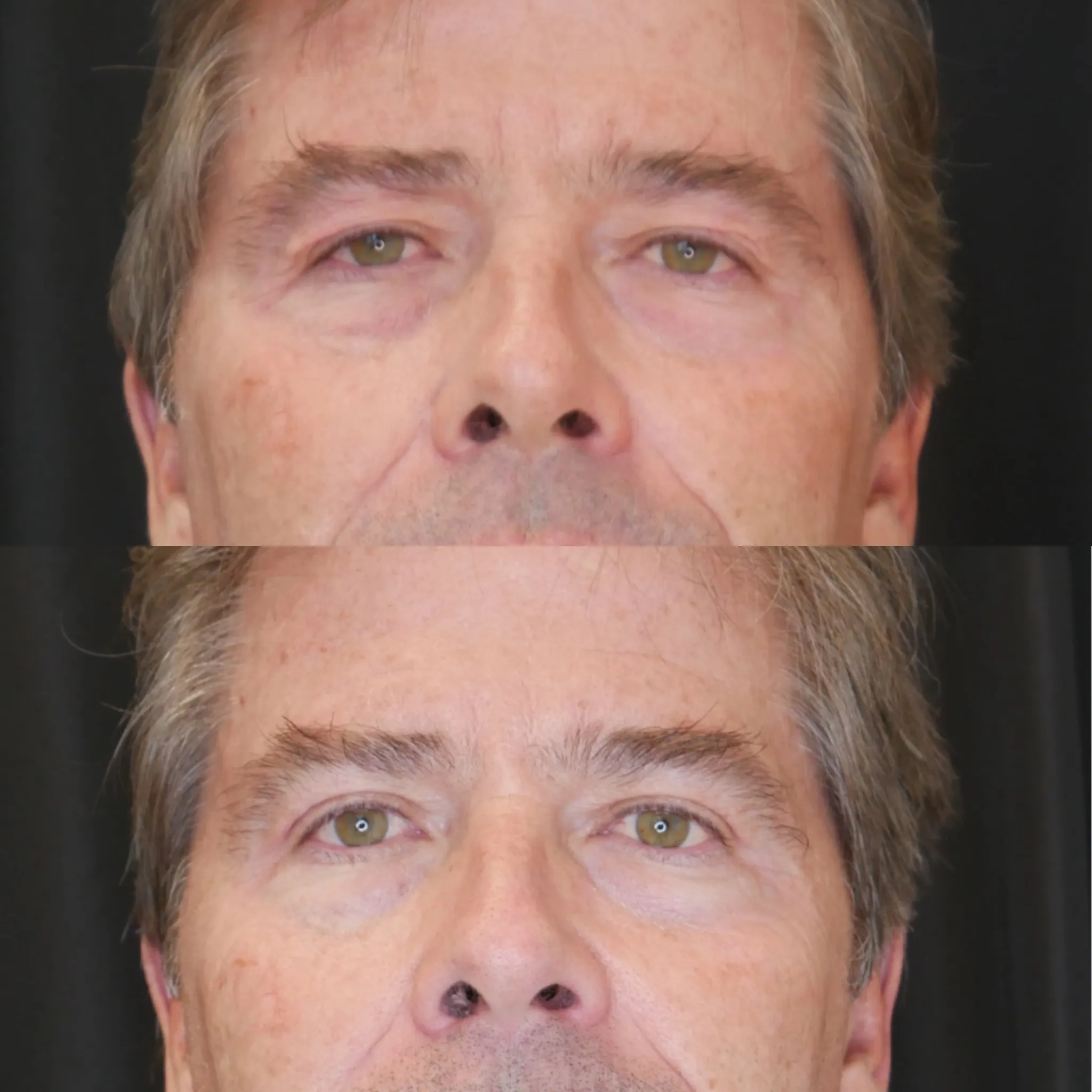
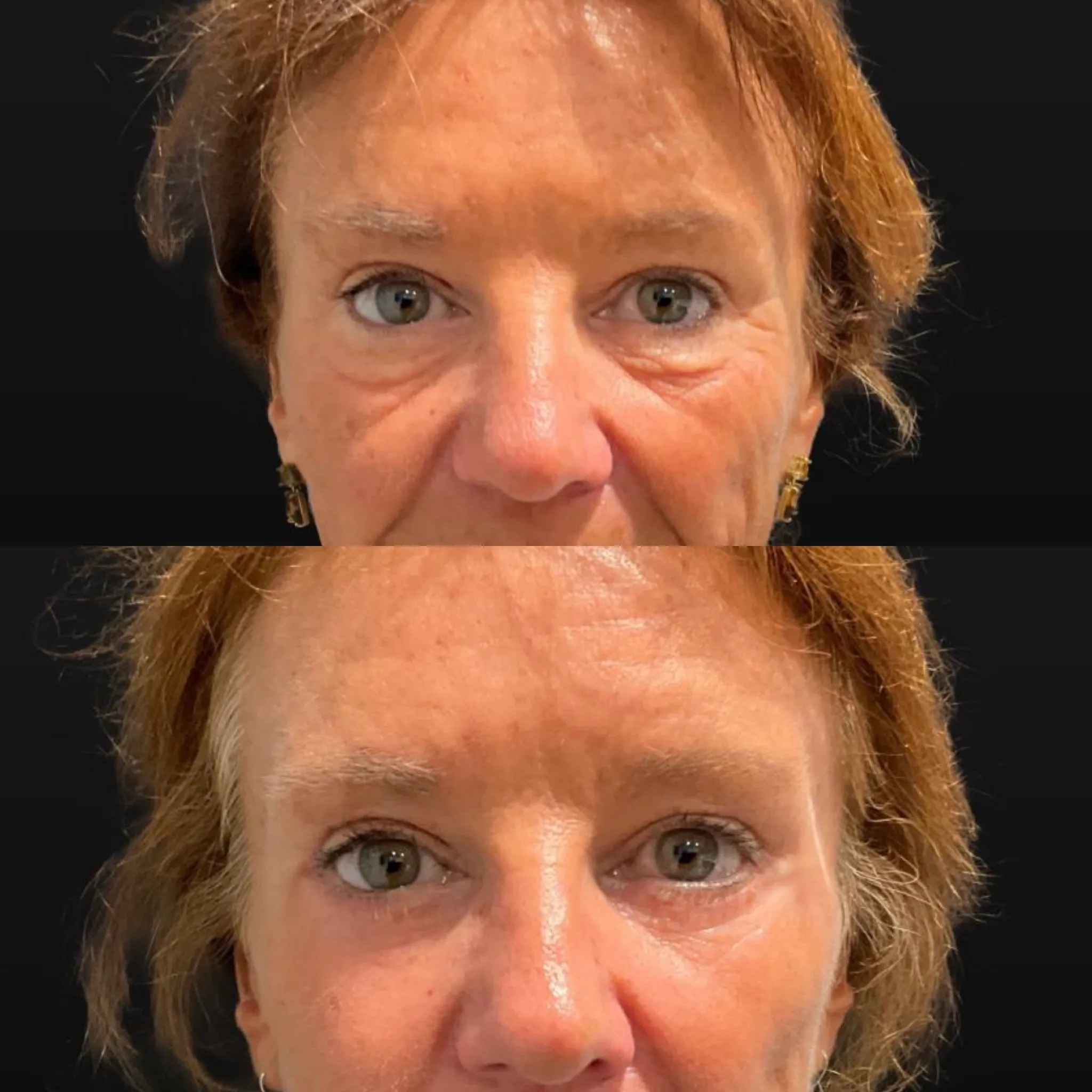
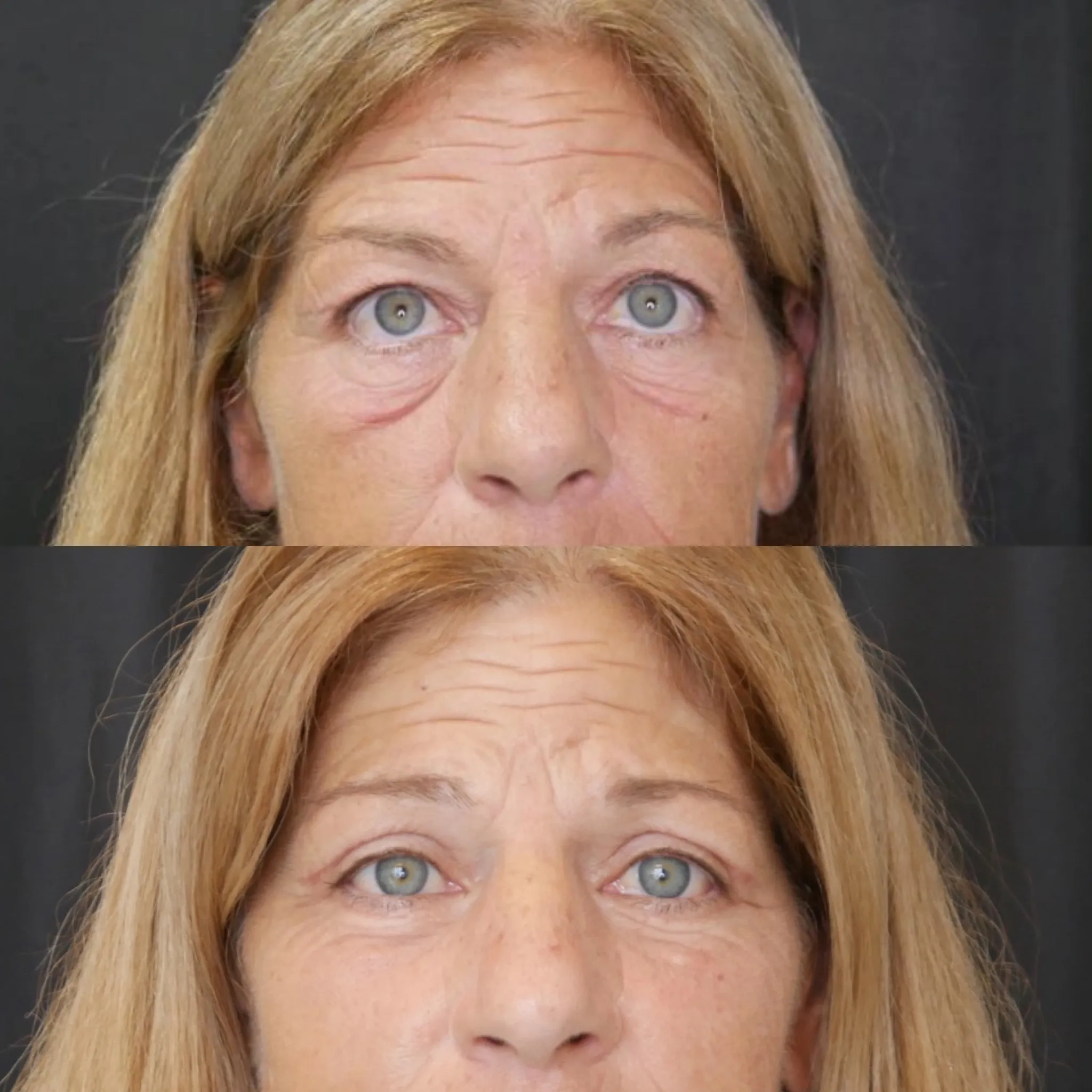
Upper Eyelids
Rested and youthful, never hollow
Over time, the eyelid skin loses collagen, which results in noticeable folds and laxity. Fat in the medial portion of the eyelid also protrudes. Dr. Bokman removes a specific amount of skin based on precise measurements and an algorithm she designed. She removes a small amount of fat and muscle as well. If too much fat is removed, it can look hollow. If too much muscle is removed, the eyelids have trouble closing, resulting in dry eyes. That is why it is so important to have a surgeon who understands and has special training in eyelid surgery. The goal, above all, is to preserve eyelid function, while creating an eyelid that looks rested and youthful.
Lower Eyelids
A smoother eyelid-cheek junction, the sign of a young face
There are several mechanisms by which the lower eyelids age: loss of collagen in the skin, descent of the midface, and prolapse of orbital fat. Dr. Bokman addresses all causes of lower eyelid aging to rejuvenate the eyelids. She uses a transconjunctival approach to remove and reposition the orbital fat into the tear trough. Using a patient's native fat still connected to blood supply allows for a smoother eyelid-cheek junction, the sign of a young face. Her repositioning technique also lifts the midface. If indicated she also performs a skin pinch of the lower eyelid skin, taking only millimeters of skin to avoid eyelid retraction. She may also perform laser skin resurfacing or a chemical peel to tighten the skin. Lastly, fat transfer is recommended in patients lacking enough fat to rejuvenate the lower eyelids and cheeks.
Fellowship Training
The most specialized training for the eyes
An oculofacial plastic fellowship is an additional two years of training beyond residency. Not all ASOPRS-accredited fellowships include face and neck lift training. Dr. Bokman's fellowship was specifically geared towards cosmetic and reconstructive surgery of the eyelids, brow, and face and neck. Her training in Los Angeles, both in an academic setting and in private practice in Beverly Hills, is truly unparalleled.
Dr. Bokman's eyelid and orbital surgeries include: upper blepharoplasty, lower blepharoplasty with fat repositioning, eyelid retraction repair, ectropion and entropion correction, ptosis surgery (congenital and adult), Mohs closures, orbital tumor resection, orbital fracture repair, tear duct surgery, lacrimal gland prolapse repair, subconjunctival fat prolapse repair, and thyroid eye disease orbital decompression.
Recovery
One of the fastest recoveries in plastic surgery
Upper eyelid recovery is the faster of the two: most patients find the swelling and bruising manageable and look presentable in about a week. Recovery after lower eyelid surgery typically takes one to two weeks, with the final result around weeks three to four. Rarely, residual swelling can take one to two months to fully resolve. If permanent stitches are used, they are removed after one week.
Frequently asked questions
- What is blepharoplasty?
- Surgical rejuvenation of the upper and lower eyelids. An upper blepharoplasty addresses aging of the upper eyelid including skin laxity, fat prolapse, and either eyelid fullness or hollowing. A lower blepharoplasty addresses bags, puffiness, and hollowing beneath the eye. The two are often done at the same time.
- Why does it matter that Dr. Bokman is an oculofacial surgeon?
- The eyelid skin is the most delicate tissue on the body. The eyelids are also responsible for protecting your eyes. Surgery that is done incorrectly on the eyelids can cause a number of eye complications including severe dry eye, and in rare cases blindness. Also, you will never have the "deer in headlights" look after surgery with Dr. Bokman. Only trust a surgeon with specialized training that included eyelid surgery.
- Will there be a visible scar?
- The scar from an upper eyelid blepharoplasty is hidden in the eyelid crease. That scar sometimes flares outwards to correct for lateral hooding, and in most cases disappears after a few months. A lower eyelid blepharoplasty is performed from inside the eyelid (the transconjunctival approach), so there are no visible scars. When a skin pinch of the lower eyelids is performed, there is a small hairline scar just below the lashes that is usually invisible after one week.
- What is recovery like?
- For the upper eyelids, the recovery is one of the fastest recoveries in all of plastic surgery, typically three to five days, with the final result one to three weeks after surgery. For the lower eyelids, recovery is typically one to two weeks after surgery.
- Can eyelid surgery be combined with a facelift or brow lift?
- Often. Dr. Bokman is trained in oculofacial plastic surgery, which includes eyelids, brow, face, and neck plastic surgery. Procedures are often combined, but can be divided among separate surgeries if a patient desires.
- How do I know if I also need a brow lift?
- Dr. Bokman will assess your brow position during consultation. One can mimic a brow lift by lifting their brow slightly above the bone (the orbital rim). If your brow position is lower than the orbital rim and there is excess skin, a brow lift is recommended.